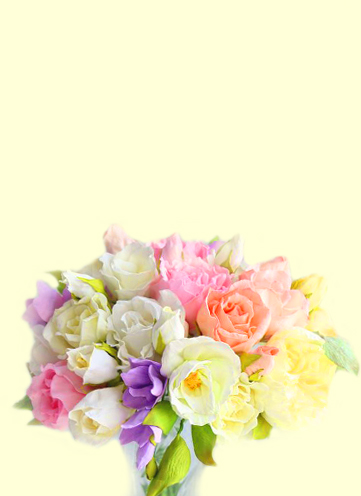
A tour through the symbolic meanings and colors of peony flowers
Posted on 26/05/2025
The peony flower is celebrated not only for its lush blooms and stunning appearance, but also for its deep-seated symbolism and impressive color variety. From traditional gardens in China to modern wedding bouquets around the globe, peonies are cherished for both their beauty and their cultural significance. In this comprehensive article, we will embark on an insightful journey--a tour through the symbolism and colors of peony blooms--to uncover the history, symbolic meanings, and what each color truly represents.
Introduction to Peonies and Their Origins
The peony is a classic perennial plant belonging to the Paeoniaceae family, originating in Asia, Europe, and North America. These grand flowers have been cultivated for over a thousand years, not only for ornamental purposes but also in herbal medicine. Their large, ruffled blossoms can measure up to 10 inches across, making them standout features in gardens and floral arrangements.
The symbolic meanings attached to the peony flower stem from a rich blend of history, culture, and artistic interpretation, making peonies one of the most meaningful flowers in the world.
Historical and Cultural Symbolism of Peony Flowers
Peony Flowers in Ancient China
Peonies, known as "the king of the flowers" in China, have long been revered as symbols of wealth, honor, and nobility. As early as the Sui and Tang dynasties, peonies adorned imperial gardens and featured in poetry, paintings, and even currency. The city of Luoyang, famed as the "Peony Capital," still celebrates grand peony festivals every spring.
- Wealth & Prosperity: Peonies are believed to attract luck and fortune, making them popular in art and home decor to attract good energies.
- Femininity & Beauty: In Chinese culture, the peony is a metaphor for feminine beauty and grace.
- Honor & Nobility: Emperors and nobles treasured peonies, making the flower a longstanding symbol of high status.
Peony Symbolism in Japan
In Japan, peonies (referred to as botan) symbolize good fortune, bravery, and honor. Rendered frequently in tattoo art and paintings, they are seen as emblems of resilience and prosperity. Japanese samurai often admired the peony as a symbol of strength blended with elegance.
Peony Meanings in the West
Victorian England attached its own meanings to peony flowers. They were considered omens of good luck, a happy marriage, and romance. Peonies feature prominently in wedding bouquets, representing happy unions and enduring love.
Peonies in Mythology and Literature
Peonies are also woven into Greek mythology, symbolizing healing and compassion. The flower's name is said to be derived from Paeon, a physician to the Greek gods. In literature and folklore, peonies are associated with bashfulness and shyness, likely due to the way their petals seem to hide the delicate flower center.
The Rich Symbolism Behind Different Peony Colors
One of the joys of exploring peonies is discovering the diversity of colors and the special symbolic meanings each hue carries. Let's take a closer look at the unique messages sent by various peony flower colors.
Pink Peony Flowers: Romance and Feminine Beauty
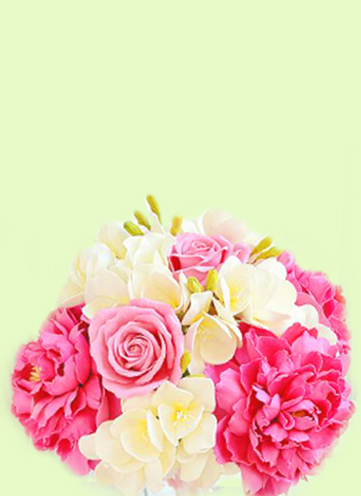
Pink peonies are perhaps the best-known, beloved for their soft, dreamy hues. Their symbolism is deeply tied to romance, love, and feminine allure. As such, pink peonies are popular choices for bridal bouquets, anniversaries, and romantic occasions.
- Love and Romance: Gentle and charming, pink peonies embody deep affection and courting.
- Good Luck: They are believed to attract good fortune and a happy marital life.
- Prosperity: Light pink and blush tones are linked to prosperity and joy.
If you want to express affection and admiration, pink peonies are a perfect choice!
White Peonies: Purity, Apology, and New Beginnings
White peony flowers are synonymous with purity, innocence, and remembrance. In many cultures, they are also a symbol of apology and new beginnings.
- Purity and Innocence: Their pristine petals make them a staple at weddings, symbolizing pure love and loyalty.
- Apology and Regret: In Eastern culture, white peonies can convey remorse and are sometimes given as gestures of apology.
- New Beginnings: The classic white bloom also marks fresh starts and hope.
White peonies add elegance and heartfelt emotion to any floral composition, making them ideal for significant life events.
Red Peonies: Passion, Respect, and Honor
Red is a color packed with strong emotion, and red peony flowers are no exception. They symbolize passion, respect, honor, and strength--making them particularly significant in Chinese and Japanese cultures.
- Honor and Respect: Used in celebrations and festivals as emblems of high esteem.
- Passionate Love: Red blooms are given to romantic partners, signifying intense affection.
- Courage and Bravery: Red peonies encourage confidence and determination.
The vibrancy of red peonies makes them unforgettable as gifts or as centerpieces for special occasions.
Yellow and Gold Peonies: Happiness and Prosperity
Though rare, yellow or golden peonies captivate with their sunny brilliance. They are associated with happiness, optimism, and riches.
- Happiness and Positivity: The bright color uplifts and brings cheer.
- Prosperity and Wealth: Especially in Chinese culture, yellow peonies are lucky charms for fortune and gain.
- Friendship: These flowers also symbolize supportive friendships and joy.
If you wish to inspire joy or convey well wishes for abundance, yellow peonies are an excellent pick.
Purple Peonies: Enchantment and Mystery
Purple peonies evoke a sense of enchantment, royalty, and distinction. With their regal hue, they are ideal for expressing admiration and adding a touch of majesty to arrangements.
- Enchantment: Their rarity makes them symbols of wonder and allure.
- Royalty and Respect: Purple peonies used in bouquets show deep admiration and high regard.
- Creativity: The color purple fuels imagination and artistic flair.
Surprise and delight with purple peony flowers, perfect for anyone who appreciates the extraordinary.
Other Popular Peony Varieties & Their Symbolism
While color is a main factor in the symbolism of peony flowers, the specific variety can also influence meaning. Here are some beloved peonies and their associated symbolism:
- Bowl of Beauty Peony: A herbaceous peony known for its pink outer petals and creamy center, associated with abundance and generosity.
- Sarah Bernhardt Peony: Soft double pink blooms linked to everlasting beauty and romance.
- Coral Charm Peony: Peach-coral blossoms, symbolizing vitality, freshness, and transformation.
- Festiva Maxima Peony: White with striking crimson tips, representing elegance and celebratory spirit.
Using Peonies in Everyday Life: Symbolism & Occasions
Peonies are versatile and meaningful additions to daily life and special milestones. Here are some common uses that honor their symbolic meanings:
- Weddings: With symbolism of romance, prosperity, and happy unions, peonies are a bridal staple.
- Anniversaries: Especially for the 12th wedding anniversary, peony flowers are traditional gifts symbolizing strong and happy marriages.
- Mother's Day: To celebrate feminine strength and maternal love.
- Gifts of Friendship: Yellow and pink peonies strengthen bonds of affection and support.
- Funerals/Memorials: White peonies express remembrance and sincere condolences.
Gardening with Peonies: Adding Color & Meaning to Your Landscape
Growing peonies in your garden lets you enjoy their breath-taking beauty while also inviting their rich symbolism into your surroundings. Here are some tips for nurturing peonies:
- Choose the Right Variety: Consider your climate and aesthetic preferences. Herbaceous and tree peonies each offer unique advantages.
- Planting Spot: Peonies thrive in well-draining soil with at least 6 hours of sunlight.
- Color Combinations: Mix different peony flower colors for a symphony of symbolic meaning.
- Caring Tips: Water deeply but infrequently. Deadhead faded blooms to promote plant health.
With a little care, your peony garden will become a sanctuary of color and meaning symbolizing happiness, love, and success.
Peonies in Art, Fashion, and Modern Culture
The lush, captivating nature of peonies has made them icons in art, clothing, and design. From vintage botanical prints and tattoos to high-fashion dresses and wallpaper, peony motifs evoke everlasting elegance and beauty.
- Fine Art: Impressionist painters like Monet featured peonies to convey themes of luxury and fleeting beauty.
- Fashion: Peony prints symbolize freshness, creativity, and romance.
- Home Decor: Peony imagery brings luck, prosperity, and positive energy into living spaces.
- Tattoo Culture: In Eastern and Western tattoo art, the peony is admired for its balance of strength and grace.
Conclusion: The Timeless Allure of Peony Flowers and Their Rich Meanings
From ancient dynasties to contemporary celebrations, the peony flower continues to captivate with its opulent colors and profound symbolism. Whether you choose pink, white, red, yellow, or purple peonies, each bloom brings unique meanings--romance, prosperity, honor, happiness, and enchantment--into your life.
By understanding the symbolism and colors of peony flowers, you can enrich moments, express complex emotions, and celebrate milestones with a flower that merges history, culture, and unmatched natural beauty.
So next time you admire these lush blossoms, remember the rich tapestry of meanings woven into each petal--and consider how a simple bouquet of peonies can speak volumes without saying a word.
Key Takeaways
- Peony flowers are powerful symbols of love, wealth, beauty, and honor across multiple cultures.
- Each peony color has unique meanings--from romantic pink to passionate red, pure white, joyful yellow, and enchanting purple.
- Both the historical symbolism and modern interpretations make peonies ideal for every major life event.
- Peonies in art and fashion keep their allure timeless and relevant across generations.
Whether given as a gift, planted in a garden, or enjoyed in art, peonies bring lasting beauty and meaning to every space they grace.